






Courses Taught By Dr. Venkataraman Swaminathan

Explore our comprehensive curriculum designed to deepen your understanding of ancient texts, languages, and philosophies.

Featured Image

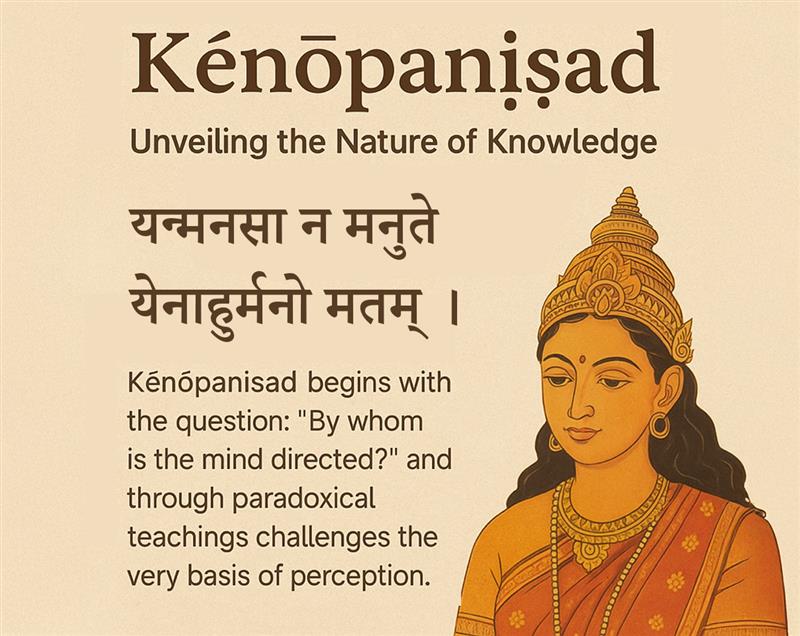
Kenopanishad with Shankara Bhashya

TAT4004 – This course is the first part of the two-part course on Kenopanishad with Shankara Bhashya and offers a detailed study of the Kēnōpaniṣad, the ninth chapter of the Tālavakra Śākhā of the Sāma Veda, known for its brevity and depth. Students will learn to engage directly with the original Sanskrit verses, guided by Śaṅkarabhāṣya, to unfold the Upaniṣad’s subtle inquiry into the nature of the knower and the source of perception. The course will explore the epistemological paradoxes posed by the text, such as “That which is not known by the mind,” and examine the allegorical tale of the gods’ realization through Umā. Emphasis will be placed on applying the Vedāntic methods of śruti (scriptural study), yukti (reasoning), and anubhava (direct experience) to cultivate insight through śravaṇa, manana, and nididhyāsana.
Featured Image

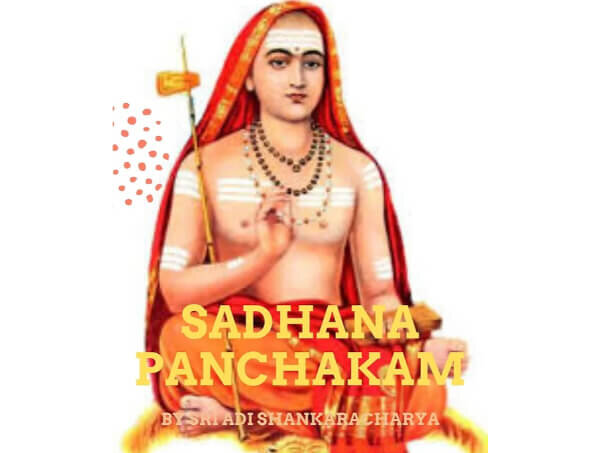
Sadhana Panchakam

TAT1002 – Sādhana Pañcakam is a prakaraṇa text focusing on the means for liberation, mokṣa. It is attributed to Ādi Śaṅkara. The text is also called sopāna pañcakam since it presents the subject matter gradually as one would climb a ladder. It is a popular pañcaka, a text with five verses.

Featured Image

Introduction to the Dasashantimantras

TAT1001 – This course provides an immersive introduction to the Mantra and Chanting traditions of Sanatana Dharma, focusing on ten prominent invocatory verses known as the daśaśāntimantras, traditionally recited before the study of the Upaniṣads. One well-known example is “ōṁ pūrṇamadaḥ pūrṇamidaṁ pūrṇāt pūrṇamudacyatē. pūrṇasya pūrṇamādāya pūrṇamēvāvaśiṣyatē.” Ādi Śaṅkara's commentaries on the Upaniṣads often include these śāntimantras, providing a thoughtful introduction to the subject matter. Students of Vēdānta also chant these mantras as part of their daily prayers. The primary objective of this course is to offer students a thorough understanding of these mantras, their meanings, and how to integrate them into daily practice. It's an excellent starting point for those eager to explore and comprehend the significance of these ancient chants. Enroll now to embark on this enlightening intellectual and spiritual journey.
Featured Image

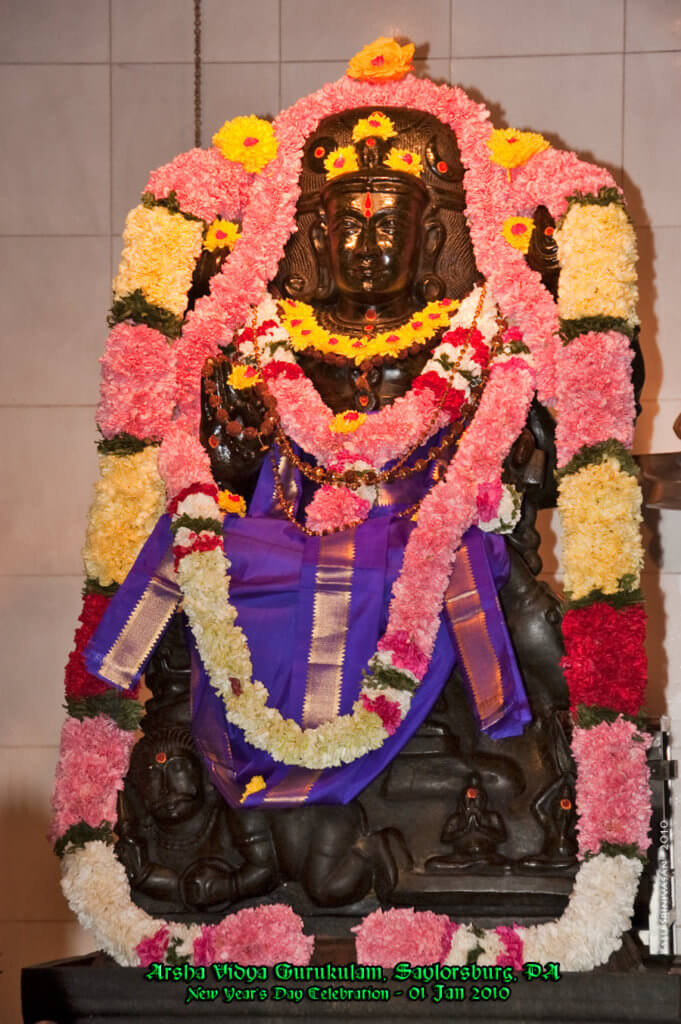
Daksinamurtistotram by Adi Sankara

TAT3001 -  This course will unfold the Dakṣiṇāmūrtistōtram systematically verse by verse, drawing upon where necessary from Mānasōllāsa and Tattvasudhā, which is another commentary of the original text. The set of meditation verses which precede the Dakṣiṇāmūrtistōtram will also be covered as they serve as prayers for Self-knowledge. Students with some prior knowledge of Vedanta, will greatly enhance their understanding of the Self through its teachings.

Featured Image

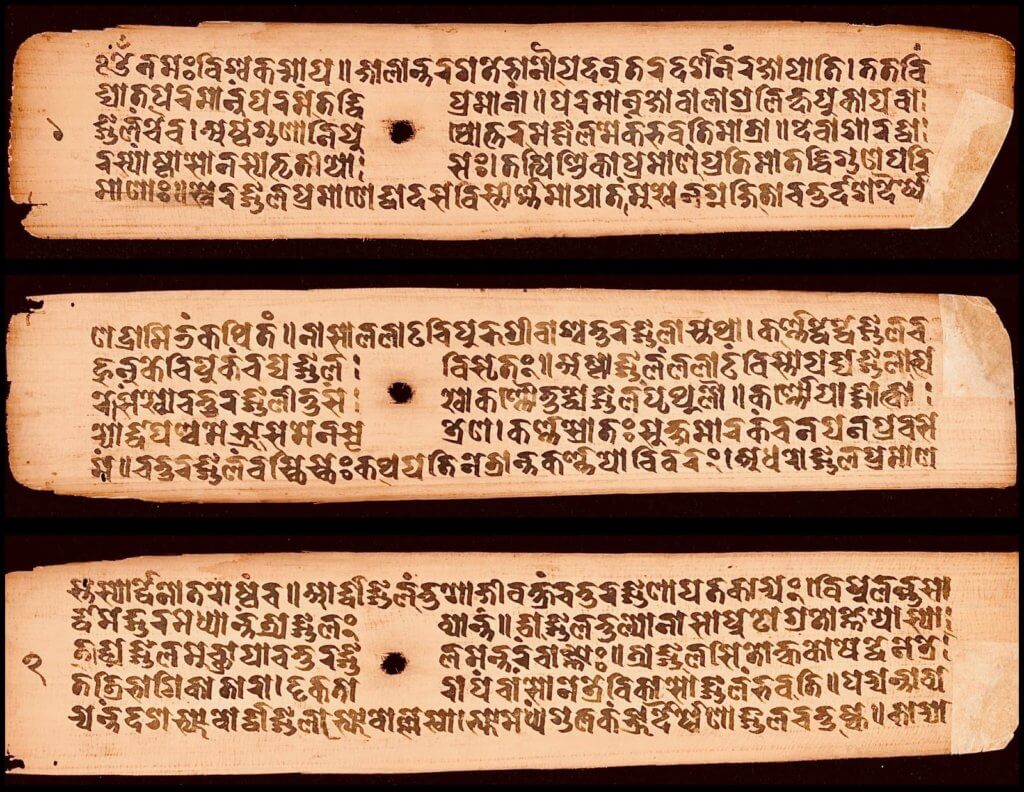
Adhyasa bhasya of Adi Sankara

TAT4000 – This course will unfold the adhyasa bhasya, considered perhaps to be the magnum opus of Adi Sankara. This text finds its place as the introduction to Sankara’s exhaustive commentary of the brahma sutras, known also by different names such as Vyasa sutras, bhiksu sutras or saririka sutras. Adhyasa means superimposition, which causes the appearance of a thing on a locus other than its own. This is the main source of bondage due to the ignorance of the Self and subsequently taking the non-Self to be the Self. Sankara outlines adroitly the different intricacies of Adhyasa for the very purpose of removing it through knowledge and realize the oneness of the jiva and Brahman.
Featured Image

Satsang in Samskritam – Soundaryalaharii

SAN3101 – Among the stotra literature Soundaryalaharī, attributed to Ādi Śaṅkarācārya, occupies a special place. It is in the form of a description (varṇanam), from head- to-toe, keśadi-pāda, of Goddess Tripurasundari. It is also considered as a mantra śāstra and together with a suitable yantra (altar) it constitutes a wholesome śāktam mode of worship. Besides their exposition of profound philosophical ideas of the creator and the creation, the hundred verses of Soundaryalaharī are known for their poetic excellence and sophisticated expressions. It further stands out as perhaps the only text that has been the inspiration for 36 Sanskrit commentaries. In this course the students will be exposed to the grandeur of Soundaryalaharī through a select set of verses in terms of the richness of the poetic, linguistic and philosophical content.

Mitra! Ask me anything!